
Premier League Football
Arsenal Fans Won’t Like This Transfer Update”

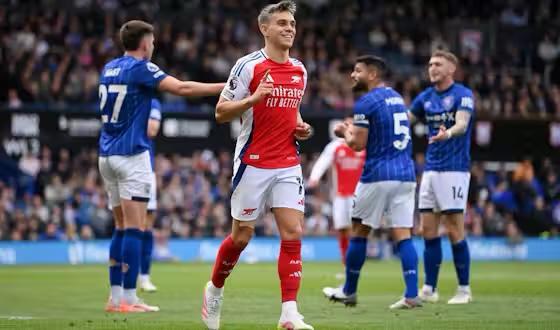
Arsenal’s Heavy Summer Spending: A Balanced Squad, Financial Questions, and the January Window Ahead
Arsenal entered the 2025/26 season with an unmistakable sense of ambition. Under the leadership of Mikel Arteta and the careful planning of the club’s recruitment team, the Gunners undertook one of the most aggressive summer transfer windows in their recent history. Their objective was clear: strengthen every weak link, close the gap to their rivals, and ensure the squad is capable of competing for the game’s biggest prizes.
The result has been a roster that many analysts and supporters now describe as one of the most balanced in the Premier League. Arsenal boast depth across multiple positions, competition for starting places, and a spine of players who combine youth, experience, and proven quality. The financial cost of assembling such a team, however, has not gone unnoticed. With substantial sums spent across consecutive windows, questions are now surfacing about the sustainability of this strategy — particularly with another transfer window just months away.
According to reports from Football Insider and other outlets, Arsenal will need to generate funds through player sales if they intend to invest again in January. That statement may sound routine, but in practice, it reveals the fine line clubs must walk between ambition and financial prudence in the era of Financial Fair Play (FFP).
—
A Summer of Intent
To understand the current conversation, it is important to revisit the summer itself. Arsenal’s hierarchy identified the need for reinforcements in key positions: central midfield, the attacking third, and defensive depth. Having narrowly missed out on trophies in recent seasons, the leadership felt that another incremental approach would not suffice. Instead, the club moved aggressively, finalising deals for high-profile players whose arrival immediately elevated the squad.
The spending spree was not reckless but carefully targeted. Arsenal acquired players who fit Arteta’s tactical philosophy: versatile, technically proficient, and capable of operating in multiple systems. For example, midfield signings offered both defensive stability and progressive passing. The attacking additions brought creativity, pace, and unpredictability. At the back, reinforcements strengthened a unit that had shown vulnerability in decisive moments last season.
While exact figures vary depending on add-ons, Arsenal’s net spend placed them near the very top of the Premier League in terms of summer outlay. It was a bold statement of intent — the Gunners were not content merely to qualify for the Champions League; they aimed to compete head-on with Manchester City, Liverpool, and Europe’s elite.
—
The Balancing Act: Squad Depth vs. Financial Sustainability
From a sporting perspective, the results of this recruitment strategy are visible. Arsenal now have at least two high-quality options in most positions. Injuries, suspensions, or dips in form are less likely to derail their campaign. For a club that once relied heavily on a narrow group of stars, this represents a huge step forward.
Yet in football, strength in depth comes at a price. Wages rise, squad roles become contested, and financial flexibility is tested. The Premier League’s Profit and Sustainability Rules (PSR), which mirror UEFA’s FFP to an extent, limit the degree to which clubs can continually spend without offsetting costs through sales or revenue growth.
This is where the current concern emerges. Arsenal’s spending spree is justifiable when viewed as a one-off investment in pursuit of glory. But if replicated window after window, it risks creating long-term strain. As such, insiders suggest that January spending will only be possible if outgoings occur first.
—
The January Window: Traditionally Quiet, but Potentially Vital
The January transfer window has historically been a challenging period for clubs. Prices are inflated, top targets are rarely available, and integrating new players midseason can be disruptive. Most elite clubs prefer to save their biggest moves for the summer, where planning is easier and negotiations are less frantic.
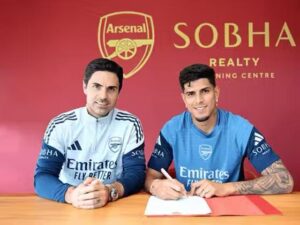
However, football is unpredictable. Injuries, loss of form, or sudden opportunities can force clubs into action. Arsenal know this well. In January 2023, they were forced to pivot after missing out on Mykhailo Mudryk and instead brought in Leandro Trossard, Jorginho, and Jakub Kiwior — all of whom provided valuable contributions in the months that followed.
This year, the situation is clear: Arsenal may only dip into the market if absolutely necessary, and even then, player sales will be required to balance the books. Fringe players, those with limited minutes or no long-term future at the club, represent the most likely candidates to depart. Loan exits with obligations to buy or permanent sales could free up both squad space and financial resources.
—
Who Could Leave?
Several members of Arsenal’s current squad find themselves on the periphery. While competition is healthy, not every player can be guaranteed minutes. In past seasons, Arsenal have allowed players such as Ainsley Maitland-Niles, Nicolas Pépé, and Rob Holding to move on when opportunities dwindled.
The upcoming window may see similar decisions. Youngsters in need of playing time could be loaned out, while senior players no longer central to Arteta’s plans might be sold. Such moves would not only ease wage commitments but also generate the income necessary to sanction new arrivals.
—
Tactical Considerations: Do Arsenal Even Need Reinforcements?
An interesting element of this discussion is whether Arsenal truly need to strengthen in January at all. On paper, the squad already appears well-stocked. In attack, they possess pace and creativity; in midfield, they have balance between steel and flair; in defence, they enjoy depth and versatility.
Unless a spate of injuries strikes — a common occurrence during the congested winter schedule — the need for urgent reinforcements may be minimal. Arteta himself has emphasized the importance of maximizing the existing group. The players signed in the summer are still settling, and continuity could be more valuable than further upheaval.
That said, football never stands still. Rivals like Manchester City and Liverpool may also seek upgrades in January, forcing Arsenal to consider whether standing still could risk falling behind.
—
Comparisons with Rivals
Arsenal’s situation is not unique. Many top clubs find themselves balancing ambition with sustainability. Chelsea, for instance, have spent enormous sums in recent windows but have also been forced into significant player sales. Manchester United’s new ownership structure has similarly emphasized the need for smarter spending after years of underperformance.
In this context, Arsenal’s approach seems measured. They have invested heavily, yes, but in players who directly address tactical needs rather than vanity signings. The key difference will be how effectively these investments translate into silverware — something rivals like City have managed consistently.
—
The Supporters’ Perspective
Among fans, the mood is cautiously optimistic. The majority welcome the club’s ambition and appreciate the strengthened squad. After years of frustration and near misses, there is excitement that Arsenal are finally in a position to challenge across multiple competitions.
At the same time, some supporters echo the financial concerns raised by analysts. They recall previous eras when overspending led to long-term difficulties. The consensus seems to be that while the summer spending was necessary, it cannot become a recurring pattern without consequences.
—
Media and Analyst Reactions
The media narrative has largely praised Arsenal’s summer activity. Pundits highlight the balance in the squad and the alignment between recruitment and tactical philosophy. Yet many also point to the looming financial questions. For example, some argue that Arsenal are walking a tightrope: succeed this season, and the investment will be vindicated; fall short, and scrutiny over expenditure will intensify.
—
The Road Ahead
Ultimately, Arsenal’s immediate priority is not the January window but the ongoing season. The investments made must now deliver results on the pitch. Consistency, resilience in key matches, and the ability to handle the pressure of competing on multiple fronts will define whether this squad justifies its price tag.
If Arsenal remain in contention for the Premier League and progress deep into the Champions League, calls for reinforcements in January may grow. Conversely, if the squad stays healthy and competitive, the winter may pass quietly, with focus reserved for a more calculated summer 2026 window.
—
Conclusion: A Clear but Delicate Strategy
Arsenal’s summer of spending has reshaped perceptions of the club. No longer merely building for the future, the Gunners have positioned themselves as genuine contenders in the present. Their squad is deeper, more balanced, and more competitive than at any point in the last decade.
But ambition must be balanced with realism. Financial regulations and the realities of football economics mean that Arsenal cannot sustain unlimited spending without corresponding sales or success. The January transfer window will therefore be approached with caution: opportunities may arise, but departures will almost certainly be required before arrivals.
For Arsenal supporters, the message is both reassuring and sobering. The club has the tools to achieve greatness this season, but the margin for error remains slim. The investments made in the summer must now bear fruit, because the scope for further extravagant spending is limited.
In short, Arsenal have built the foundation of a title-challenging squad. Whether they can sustain it — financially and competitively — will be one of the defining stories of the season.

Premier League Football
Mikel Arteta has expressed his delight after revealing that William Saliba and some of his teammates were watching
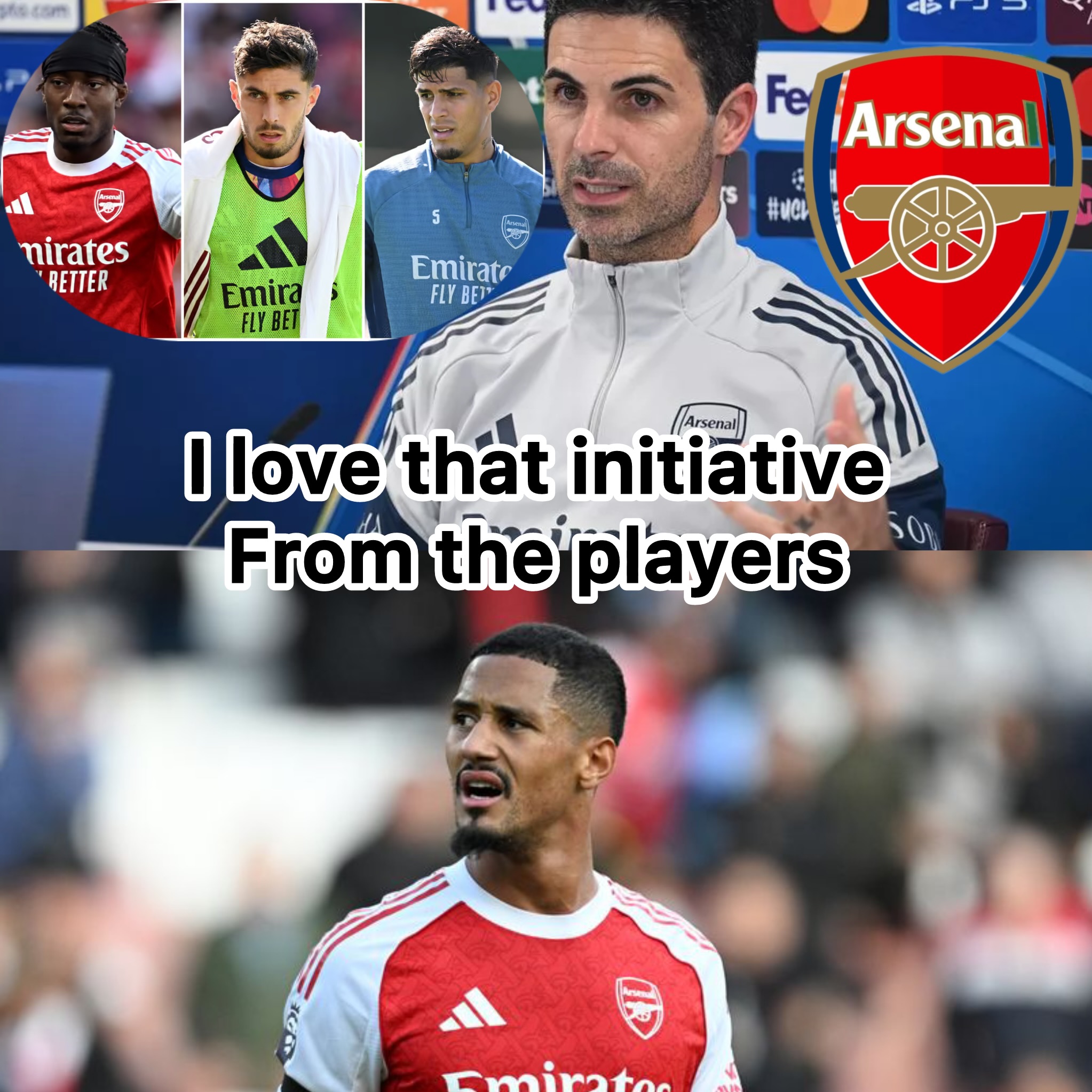
🗣️ Mikel Arteta has expressed his delight after revealing that William Saliba and some of his teammates were watching Atletico Madrid’s recent match on the team bus in preparation for Arsenal’s upcoming fixture. The Arsenal manager said he didn’t instruct the players to do it — the idea came entirely from them — and he couldn’t be happier with their attitude. Arteta praised their professionalism and commitment, saying that such initiative shows how focused and determined the squad is to succeed at the highest level.
He explained that facing a team like Atletico Madrid requires early preparation and understanding of their playing style, and seeing players like Saliba take that responsibility on their own reflects the strong mentality growing within the group. Arteta described it as a sign of maturity and leadership, noting that the team’s desire to learn and improve every day is what makes them special. The manager added that this self-driven approach is exactly what he wants from his squad — players who think ahead, stay engaged, and constantly push themselves. Arteta concluded by saying that this kind of initiative shows Arsenal are evolving into a team capable of competing with Europe’s best.
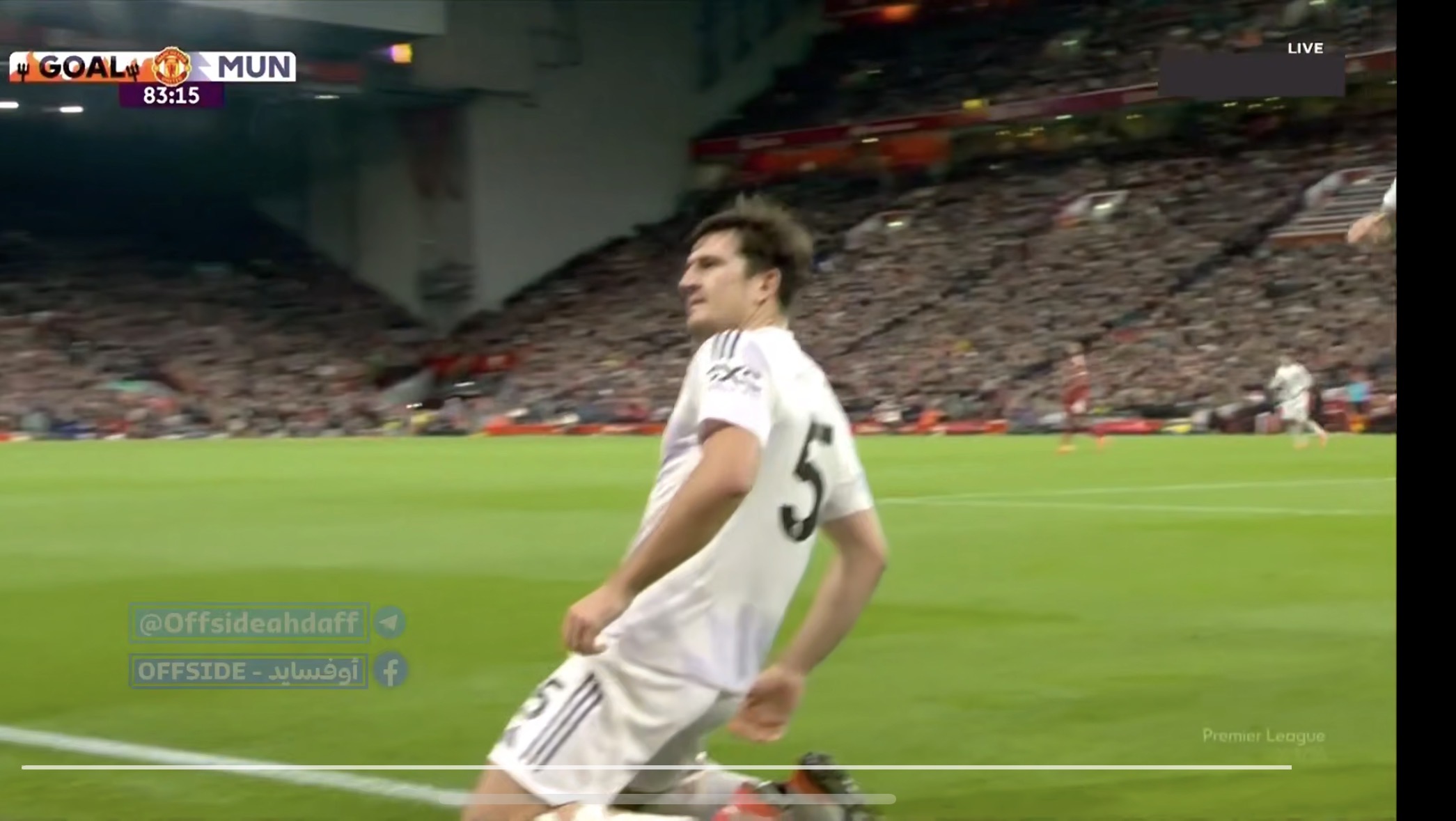
nchester United regain the lead! It’s Liverpool 1–2 Manchester United in what has turned into a thrilling Premier League showdown at Anfield. Just when it looked like Liverpool had seized the momentum after equalizing, United struck back with another deadly counterattack.
The goal came from a moment of brilliance as Bruno Fernandes picked out Marcus Rashford with a pinpoint through ball. Rashford drove forward with pace and confidence before firing past Alisson to restore United’s advantage. The away fans erupted, while Liverpool were left stunned after all their hard work to level the game.
Arne Slot’s side continue to dominate possession and create chances, but United’s clinical edge on the counter has made the difference. Liverpool’s defence has struggled to contain United’s speed and precision in transition, and they’ll now have to dig deep once again.
With time still on the clock, the Reds will push for another comeback, relying on the energy of Anfield and the creativity of Salah and Núñez. Manchester United, meanwhile, will aim to hold their shape and protect the lead.
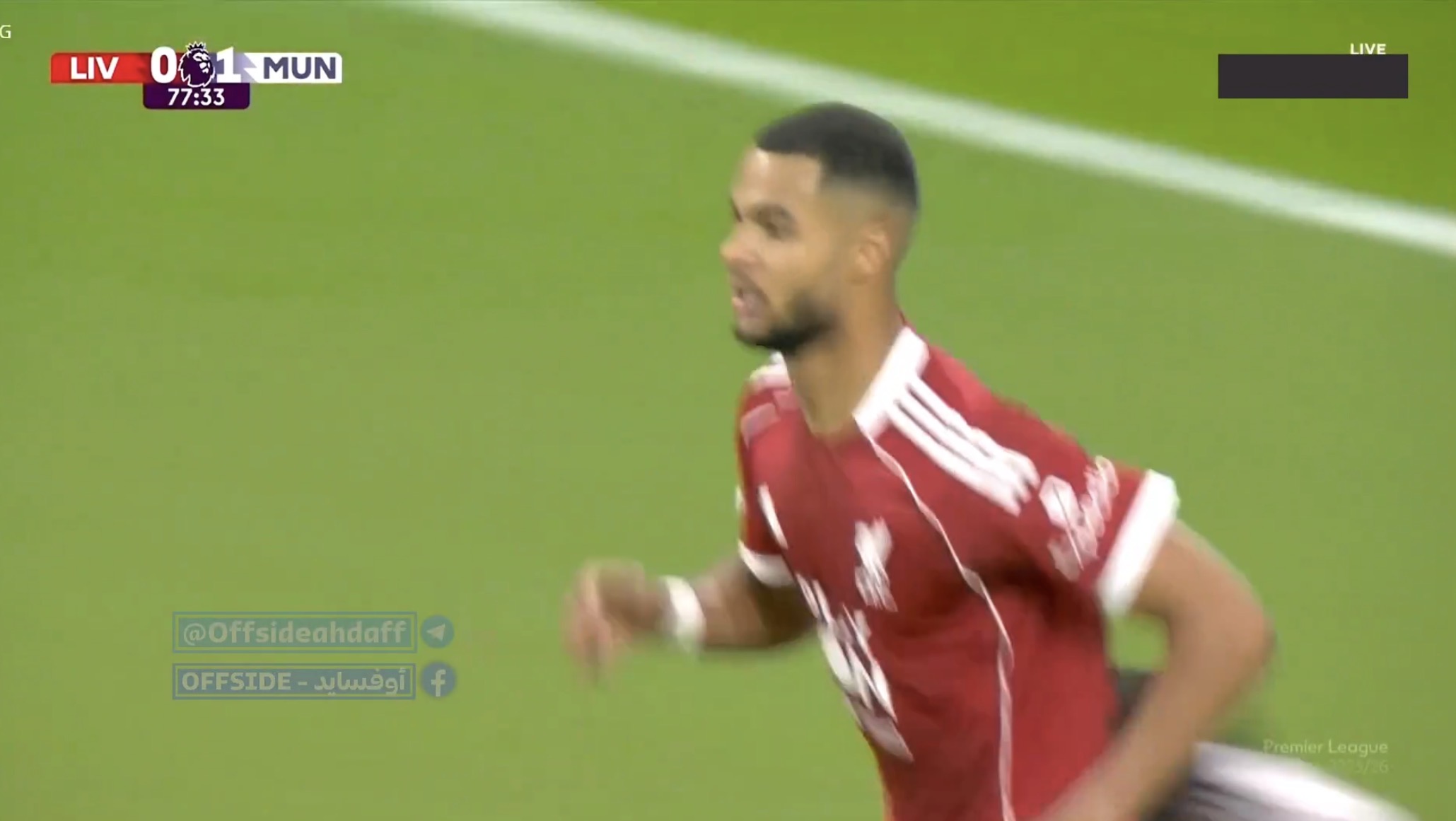
Liverpool are level! It’s Liverpool 1–1 Manchester United after a thrilling response from the home side. The Reds came out firing in the second half, determined to make their dominance count — and they finally broke through. After sustained pressure and a series of dangerous attacks, Mohamed Salah found the equalizer with his trademark composure, smashing the ball past the keeper to ignite Anfield.
The goal was well deserved after Liverpool’s relentless push. Darwin Núñez played a key role in the build-up, holding off defenders before laying the ball perfectly into Salah’s path. The equalizer sent the crowd into a roar, completely shifting the momentum back in Liverpool’s favor.
Manchester United now find themselves on the back foot after defending bravely for much of the game. Erik ten Hag’s side will need to regroup quickly if they want to regain control. Meanwhile, Arne Slot’s men look hungry for more, pressing high and flooding forward with confidence.
The atmosphere at Anfield is electric — Liverpool are back in it, and both sides are fighting fiercely for the next big moment. Current score: Liverpool 1–1 Manchester United.
-
 Premier League Football7 months ago
Disaster for Arsenal: Three Key Stars Could Miss Crucial Forest Showdown!”
-
 Premier League Football7 months ago
Arsenal vs Man City LIVE! Premier League
-
 Premier League Football7 months ago
⚡️ Up to 11 Players Could Miss Arsenal vs Manchester City as Injury Concerns Mount
-

 Premier League Football6 months ago
🛑Watch: Three Huge Decisions That Rocked Newcastle vs Arsenal – Referee Faces Backlash
-

 Premier League Football6 months ago
🚨 Arsenal Smash Wage Ceiling to Lock Down Saliba in Mega Deal!
-

 Premier League Football6 months ago
😱 Newcastle Star Tonali Exposes the Arsenal Player Who ‘Changed Everything’ – And It’s NOT Eze!
-

 Premier League Football6 months ago
Eagles Soar! Eddie Nketiah Breaks Liverpool Hearts With Dramatic 95th-Minute Strike🔥
-

 Premier League Football6 months ago
Arsenal Team News: Arteta Confirms Key Absences Ahead of Tomorrow’s Clash 🔴